Hours before Election Day, U.S. officials said American forces hit Iranian targets near the Strait of Hormuz after surface-to-air fire against U.S. assets, even as President Trump and Vice President JD Vance talked up a possible deal.
What happened Monday night
The United States carried out limited “defensive” strikes on Iranian targets in the Strait of Hormuz on Monday, Nov. 2, a U.S. official told The Associated Press. The confirmation came on the eve of the Nov. 3 midterm elections.
Iranian state television reported explosions on Qeshm Island, the largest island in the strait. According to AP, the anonymous official said the targets were “Iranians using surface to air missiles against U.S. assets.” CBS News separately reported that three U.S. officials confirmed limited defensive strikes near the strait.
NBC News, citing AP, said the strikes appeared limited rather than a return to full-scale fighting. Free-to-read accounts described them as part of smaller operations that have continued in recent weeks while Washington avoided advertising a wider campaign.
Key facts
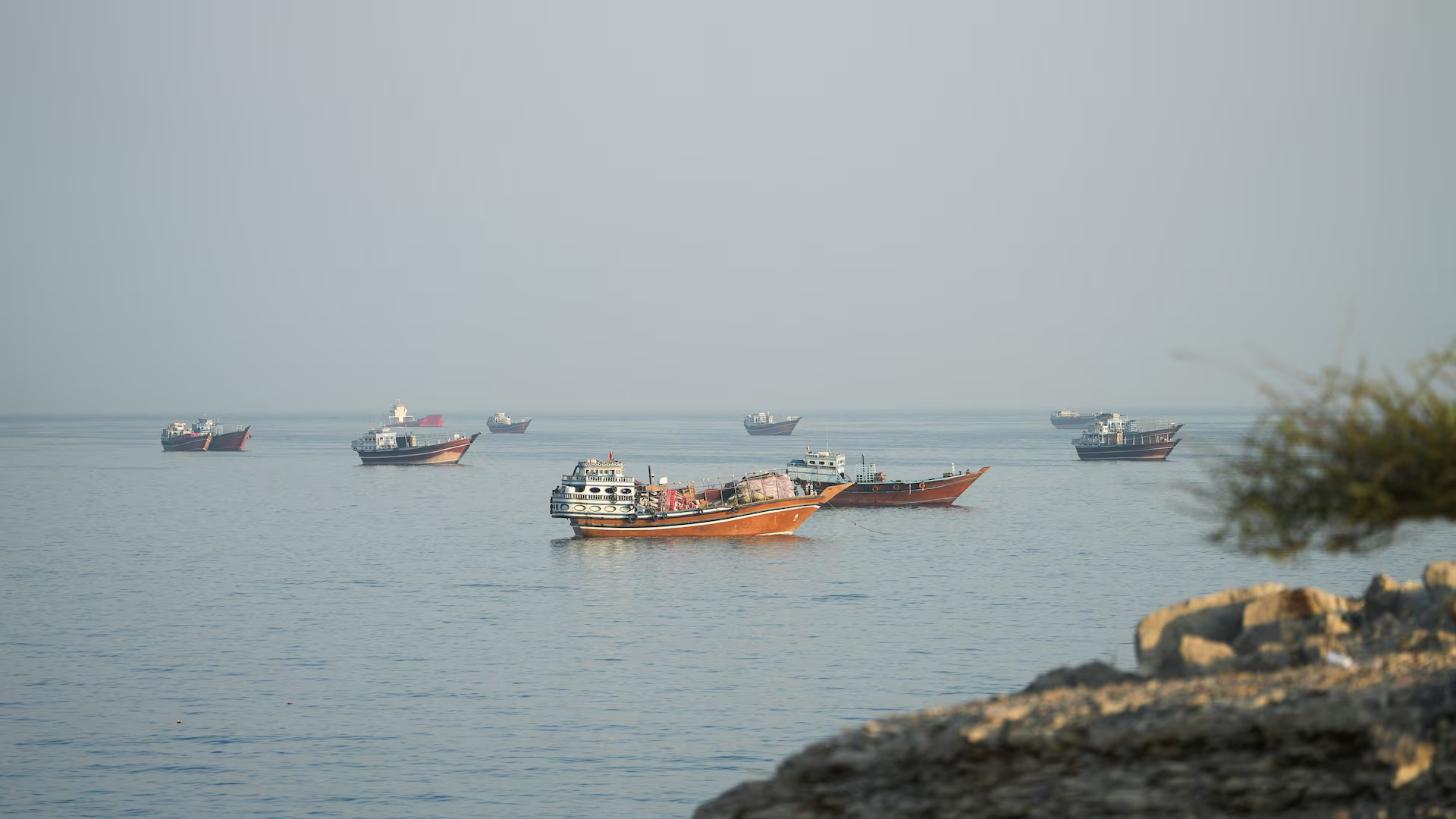
- Where: Qeshm Island and nearby Iranian targets in the Strait of Hormuz, a narrow waterway that carries a large share of the world’s oil shipments.
- Why, per U.S. officials: Iran used surface-to-air missiles against U.S. assets; the response was framed as self-defense.
- Scale: Described as limited, not a restart of major combat operations.
- Timing: Confirmed Monday night, hours before Americans vote for Congress.
Diplomacy talk, same day
Earlier Monday, Vance told reporters the administration felt “pretty good about the prospects for potentially coming to a negotiated settlement,” according to AP and NBC. He said Washington and Tehran had held “a number of good conversations,” with a focus on a verifiable curb on Iran’s nuclear program.
Trump, in election-eve remarks in Washington, downplayed the conflict’s intensity. “I don’t know if you even call it a war, because we haven’t been doing any fighting for months,” he said, according to AP. Oil prices fell sharply Monday on hopes of a diplomatic breakthrough, France 24 reported with AFP.
Why it matters for voters
The Iran conflict, now about eight months old, has weighed on gasoline prices and a midterm vulnerability for Republicans, AP and NBC reported. AP put the cost to U.S. taxpayers at least at $47 billion. A naval blockade of Iranian oil exports remains in place, and more U.S. forces are moving toward the region.
Israeli Prime Minister Benjamin Netanyahu has pressed Trump for a broader wave of strikes after the U.S. vote, according to regional officials cited by AP. Some Middle East allies have warned that a wider campaign could destabilize the region. Jamal Abdi, president of the National Iranian American Council, called the election-eve revelations “deeply alarming” and said they undercut hope that talks could end the fighting.
Republicans cast the limited hits as necessary defense of U.S. forces and shipping. Critics argue striking on midterm eve, while leaders talk diplomacy, risks escalation. The Pentagon referred questions to U.S. Central Command, which had not issued a public statement by late Monday.
Sources: AP; NBC News; CBS News; AP on X; CBS News on X; France 24/AFP; RFE/RL