On the eve of the midterms, the Supreme Court denied a Justice Department request to keep roughly 20,000 California mail ballots from being counted.
What the Court Did
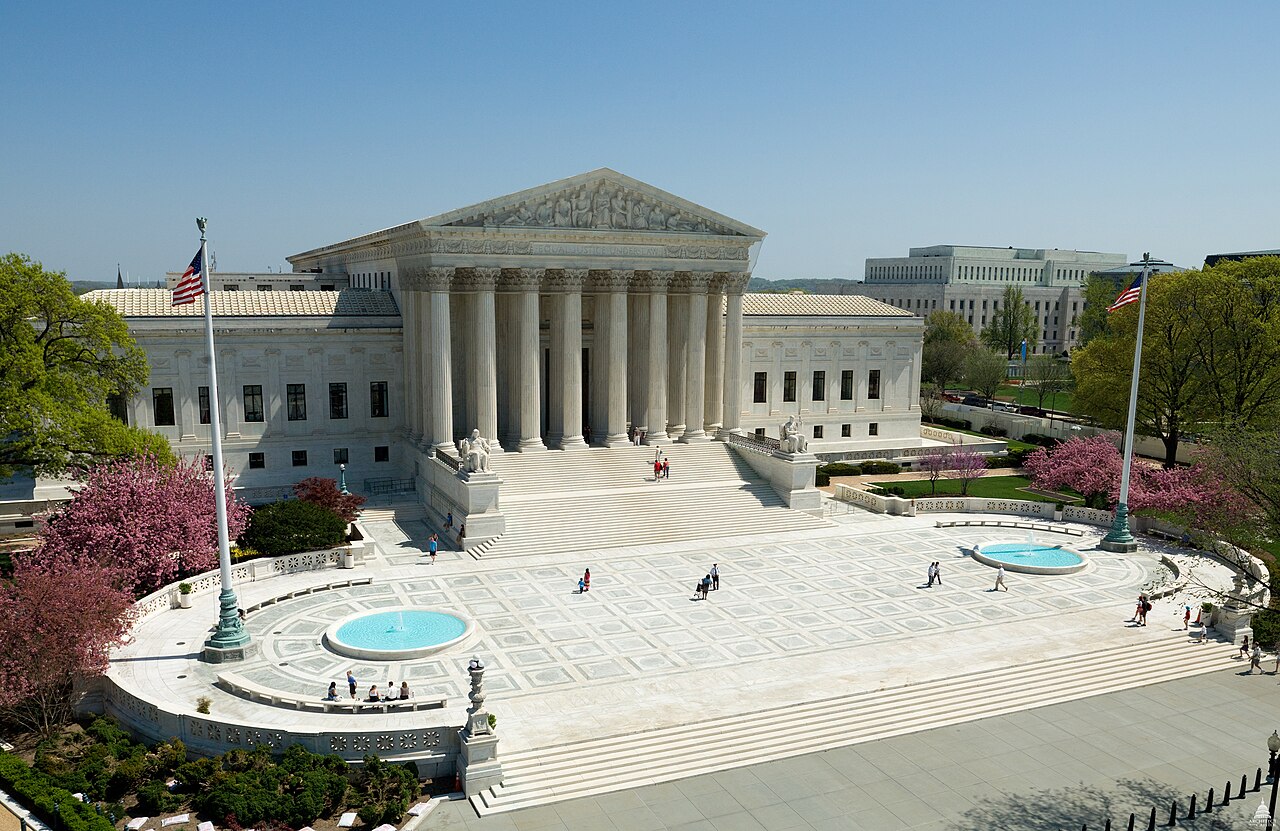
Late Monday, Nov. 2, 2026, the U.S. Supreme Court denied the Department of Justice’s emergency request in United States v. California. The one-line order, case 26A624, said the application for an injunction pending appeal — presented to Justice Elena Kagan and referred to the full Court — was denied. The Court gave no written explanation and noted no dissents, according to the official order and reporting from CNBC and the BBC.
An injunction is a court order that blocks or forces an action while a case continues. The Justice Department had asked the justices to make California set aside mail ballots tied to a list of about 20,000 people the government said were “likely” not U.S. citizens, until citizenship could be checked.
Why the Justice Department Asked
Federal law bars noncitizens from voting in federal elections. Solicitor General D. John Sauer told the Court the government had identified more than 20,000 California registrants who, in the United States’ view, were likely not citizens, CNBC reported. Sauer argued that once those ballots mix with others, they cannot be pulled back out.
The White House, in a separate Election Day-eve post on X, said there is “no room for election fraud” and that illegal voting and related crimes will be prosecuted.
How California and Democrats Responded
California officials said the federal list was inaccurate and that segregating ballots during an election risked blocking eligible voters. Attorney General Rob Bonta told CNBC the denial was “completely appropriate, very expected,” and called the request a “Hail Mary” that was “baseless.” In a state press release, Bonta said courts had rejected the administration’s emergency efforts four times — at the district court, the Ninth Circuit, and the Supreme Court.
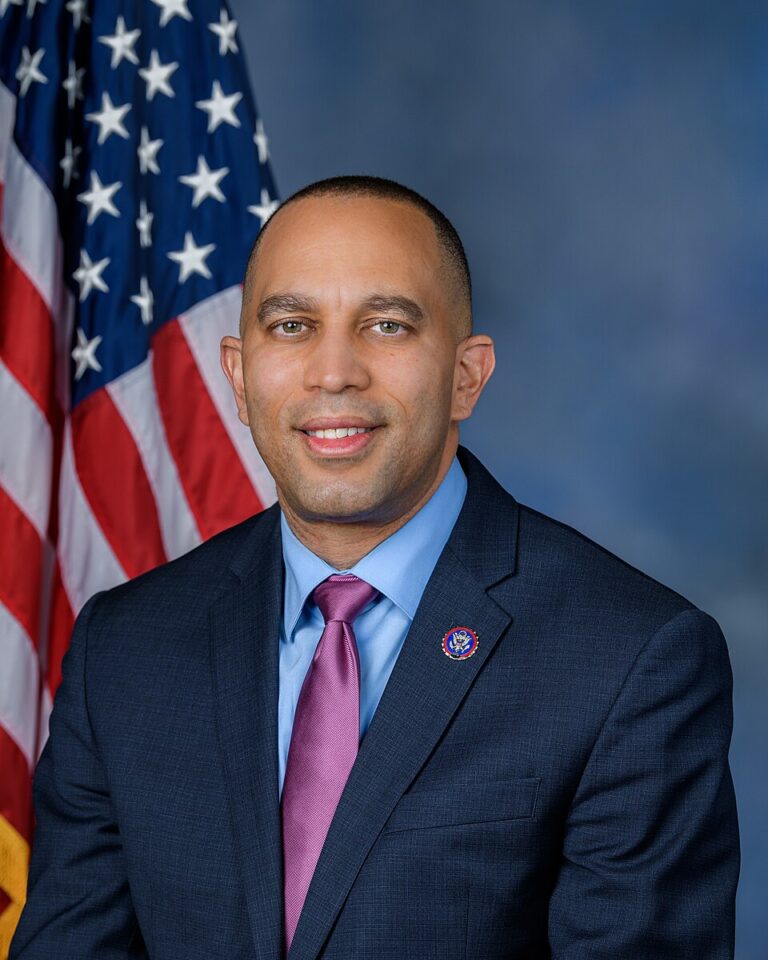
On X, Gov. Gavin Newsom wrote that California had secured a “HISTORIC Supreme Court defeat” against the emergency request and urged people to vote. House Democratic Leader Hakeem Jeffries posted that the Supreme Court “just denied the Trump Justice Department’s corrupt request for an injunction in the California vote count.”
The Path Through Lower Courts
- Oct. 15: The Justice Department sued California in Los Angeles federal court over counting those mail ballots.
- Oct. 28: U.S. District Judge David Carter denied a temporary order to sequester the ballots.
- Oct. 30: A Ninth Circuit panel denied emergency relief in a 2–1 ruling, warning of a material risk of disenfranchisement.
- Nov. 2: The Supreme Court denied the Justice Department’s injunction request.
As Election Day voting unfolds, California can continue counting the disputed mail ballots under the lower-court rulings. The underlying lawsuit may continue on appeal, but the emergency bid to wall those ballots off before Nov. 3 failed.
Sources: Supreme Court order 26A624 (Nov. 2, 2026); CNBC; BBC; California Attorney General press release; California Governor statement; Gavin Newsom on X; Hakeem Jeffries on X; White House on X