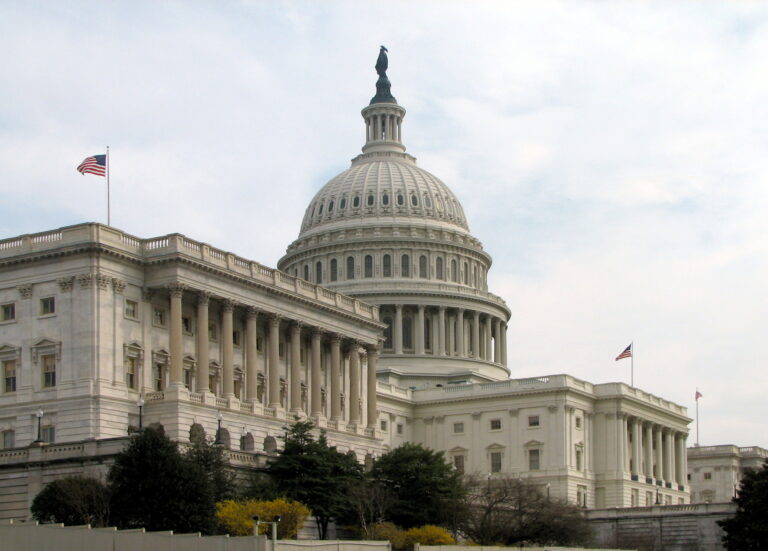
The White House has been preparing ways for President Donald Trump to keep pushing his agenda through executive action if Democrats win control of Congress in Tuesday’s midterm elections, Reuters reported.
What Was Reported
Reuters published the report on Sunday, Nov. 1. It cited a White House official and two people familiar with the plans. They spoke on condition of anonymity.
An executive action is a step a president takes on his own, without a new law from Congress.
According to the report:
- Deputy chief of staff Stephen Miller and budget director Russell Vought have worked on the plans since April.
- They are working with the White House Counsel’s Office, led by Will Scharf.
- Options include new tariffs on critical minerals and wind turbines.
- Other ideas include tighter visa rules for international students and temporary foreign workers.
- Officials are also looking at steps to lower housing and construction costs.
Vought is also examining which priorities can move forward with money Congress has already approved, two of the sources said. He wants to change federal grant rules to give political appointees more say over which programs get funding.
What Each Side Says
Trump spoke about the possibility in an interview with the New York Post’s “Pod Force One” podcast. “I guess I’ll become Mr. Veto,” he said. “And then at some point, we’ll probably make deals.” A veto is a president’s power to reject a bill passed by Congress.
The White House pushed back on the idea of Republican losses. Spokeswoman Lauren Bis said the administration and “commonsense Republicans” will keep delivering “wins for the American people.”
On the other side, senior House Democrats and committee aides have discussed using hearings, subpoenas and document requests to examine whether Trump has used his power to benefit himself, allies or donors, Reuters previously reported. A subpoena is a legal order to hand over documents or testify.
Limits on Both Sides
A Democratic majority would not end the president’s power over trade, foreign policy and federal agencies. But it could still slow parts of his agenda.
- A Democratic Senate could block Trump’s nominees for courts and federal posts.
- Democrats could refuse to pass bills the president supports.
- Trump could veto Democratic bills. Overriding a veto takes two-thirds of both chambers.
- Courts could block executive actions that go beyond the law.
The White House plans to ask the Justice Department for legal opinions on what Trump can do alone, one source said. White House lawyers have also been briefing officials on how to handle congressional requests and subpoenas.
What Comes Next
Republicans now hold the House 218-214 and the Senate 53-47. Democrats need a net gain of four seats in each chamber to take control. Polls favor Democrats to win the House, while the Senate remains too close to call, according to Reuters.
- Nov. 2: Candidates make final campaign stops.
- Nov. 3: Election Day. Counting may take days in close races.
- January 2027: The new Congress is sworn in.