A federal judge on Sunday threw out a Justice Department lawsuit that sought to delay certifying Alaska’s U.S. Senate result if Republican Sen. Dan Sullivan loses, and the department says it will appeal.
What Happened
U.S. District Judge Sharon Gleason dismissed the case in Anchorage on Nov. 1. That was two days before Tuesday’s midterm election. Sullivan, an ally of President Donald Trump, faces Democrat Mary Peltola, a former congresswoman. The race is one of a handful that could decide which party controls the Senate.
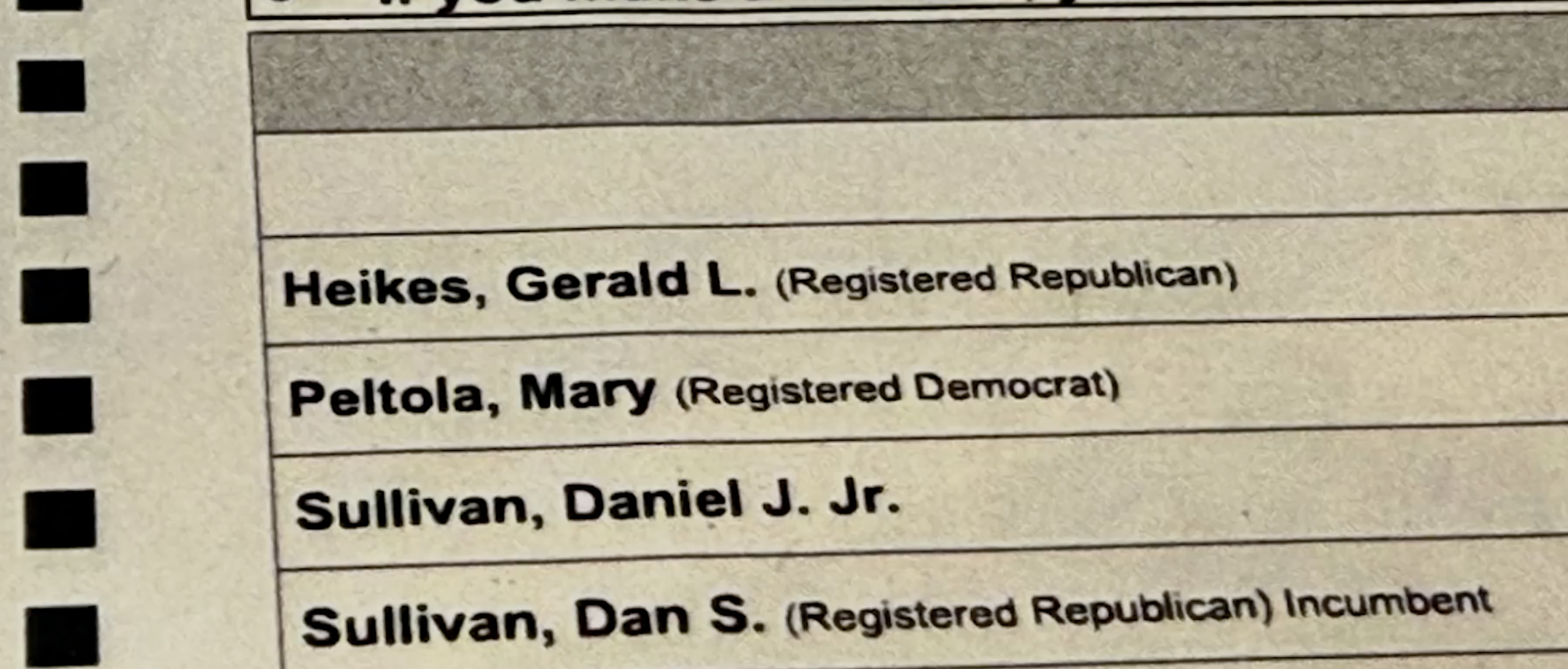
The dispute is about a second candidate on the ballot. He is listed as “Daniel J. Sullivan.” The senator is listed as “Dan S. Sullivan,” with “incumbent” and “registered Republican” next to his name.
What Each Side Says
- The Justice Department argues the second Sullivan entered the race to confuse voters. A spokesperson said the case was dismissed “on procedural grounds” and that “Alaskan voters deserve a fair election.”
- Peltola’s campaign denies recruiting any candidate. After the ruling, it said no “baseless lawsuit from a weaponized Department of Justice” would stop Alaskans from voting for her.
- Sen. Sullivan has accused Peltola of “still lying” about her campaign’s role, according to the Associated Press.
- Alaska’s Republican-led state government had also asked the court to stop the effort to block certification.
The claims stem from a New York Times report that Democrats recruited the second Sullivan. The judge did not decide whether that happened.
Why the Judge Ruled This Way
Certification is the official step where a state confirms the final vote count. The department wanted it paused if votes for the second Sullivan could have changed the result. It also wanted those ballots set aside so investigators could look into what voters meant.
Gleason said the government lacked “standing.” Standing means a party must show a court can actually fix the harm it claims. She also said separating those ballots would violate Alaskans’ right to a secret ballot. Early votes have already been mixed together, she noted, so they cannot be traced to voters.
Timeline
- Oct. 22: The Justice Department files the lawsuit.
- Last week: The department adds a new legal claim and details from the Times report.
- Nov. 1: Judge Gleason dismisses the case and refuses to let it be amended again.
- Nov. 1: The department signals an appeal to the 9th U.S. Circuit Court of Appeals.
- Nov. 3: Election Day.
What Comes Next
Alaska uses ranked-choice voting. Voters rank candidates in order, and the lowest finishers are dropped until someone wins a majority. That process can take days. The appeal could still shape what happens once counting ends.
Sources: CNBC, NBC News, Reuters, the Associated Press and the Juneau Independent.